



The Sacred and Man,
What Remains When Everything Has Been Given
By Louis Perez y Cid
He had worn the white kepi for years.
He had known the dust that clings to the skin, the heat that crushes the will, the endless marches where the body gradually fades behind the sole decision to move forward. Above all, he remembered the silences, those heavy, almost pregnant silences, where words become useless.
He had seen men from everywhere. Different languages, battered histories, sometimes broken gazes. And yet, side by side, they held together. Bound by something ineffable, something that cannot be explained but is immediately recognizable.
And then, one day, without fanfare, almost without a sound, he understood what that word meant: the sacred. The sacred was not what he had once believed.
He had worn the white kepi for years.
He had known the dust that clings to the skin, the heat that crushes the will, the endless marches where the body gradually fades behind the sole decision to move forward. Above all, he remembered the silences, those heavy, almost pregnant silences, where words become useless.
He had seen men from everywhere. Different languages, battered histories, sometimes broken gazes. And yet, side by side, they held together. Bound by something ineffable, something that cannot be explained but is immediately recognizable.
And then, one day, without fanfare, almost without a sound, he understood what that word meant: the sacred. The sacred was not what he had once believed.
It wasn't simply a matter of religion or belief. It was an invisible border, a fragile yet impassable line, between the ordinary and the extraordinary.
A simple gesture could suffice. Taking an oath. Saluting a flag. Placing a hand on a weary shoulder. And suddenly, something shifted. The gesture became something else. More weighty. More real.
Among ancient peoples, the sacred resided in the gods, in the ancestors, in nature. In the Legion, it had found another home. In the given word. In the brotherhood of arms. In that silent respect for those who had come before, and for those who had never returned.
It needed no temple. It existed in a watchful gaze, in a memory that refuses to forget. Man, he knew now, cannot live without the sacred.
Without it, he drifts. He scatters. He ends up no longer knowing why he rises or why he stands.
The sacred provides direction. A sense of verticality. It connects what is to what transcends. It connects earth to heaven, the present to those who are no more. In the Legion, he had learned that the sacred was not a discourse. It was a way of being.
It was that simple refusal to turn his back on a brother. It was that extra step, when everything within him told him to stop. It was that stubborn fidelity to words that the world, sometimes, no longer respects: honor, loyalty, duty.
And then there was the Battle of Camerone.
On April 30, 1863, sixty-three men, led by Captain Jean Danjou, stood against thousands. They knew. They knew they wouldn't return.
But they stayed. Until the last cartridge. Until the last drop of water.
Not to conquer. To keep their word.
That day, something was etched, far beyond the war.
Not a victory. Not a myth. But an absolute requirement: total commitment.
Since then, every year, Camerone does not celebrate death.
It recalls fidelity. Dignity. That precise moment when a person decides to betray themselves no more.
When Danjou's articulated hand is carried, it is not an object that is displayed.
It is a memory that is passed on. A boundary that is refused to be crossed.
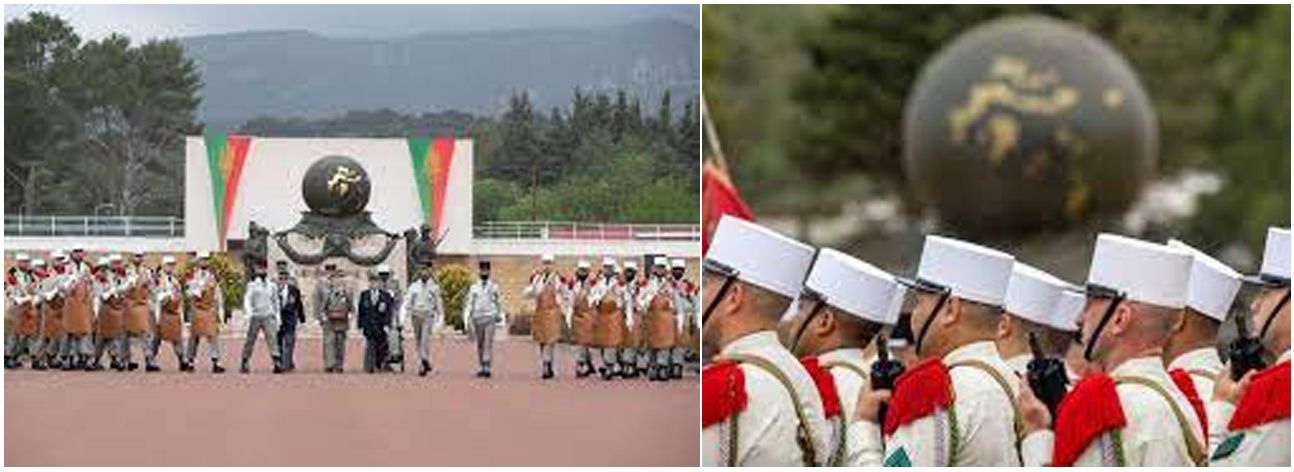
He remembered a ceremony in Aubagne.
The sun beat down fiercely. Music filled the air. And then, suddenly, silence.
A complete silence.
Hundreds of men, motionless. Some marked in their flesh, others even more deeply. And facing them, a crowd that said nothing. That understood.
In this silence, there was neither pride nor spectacle. Only a presence.
A mixture of respect, memory, and gratitude.
Something that cannot be put into words. That is felt.
That was it, the sacred.
With time, he had come to understand something even simpler. The sacred belongs to no one. It is not reserved for believers, nor for soldiers. It belongs to those who give without expecting anything in return. To those who keep their word when no one is watching. To those who know that loyalty is worth more than glory.
The sacred is what remains when everything else crumbles.
It is what allows a man, wherever he may be, to hold his head high.
And as long as there are men capable of living this way, it will not disappear.
Every April 30th, Camerone reminds us, without a word, that death does not erase loyalty.
It engraves it.
A simple gesture could suffice. Taking an oath. Saluting a flag. Placing a hand on a weary shoulder. And suddenly, something shifted. The gesture became something else. More weighty. More real.
Among ancient peoples, the sacred resided in the gods, in the ancestors, in nature. In the Legion, it had found another home. In the given word. In the brotherhood of arms. In that silent respect for those who had come before, and for those who had never returned.
It needed no temple. It existed in a watchful gaze, in a memory that refuses to forget. Man, he knew now, cannot live without the sacred.
Without it, he drifts. He scatters. He ends up no longer knowing why he rises or why he stands.
The sacred provides direction. A sense of verticality. It connects what is to what transcends. It connects earth to heaven, the present to those who are no more. In the Legion, he had learned that the sacred was not a discourse. It was a way of being.
It was that simple refusal to turn his back on a brother. It was that extra step, when everything within him told him to stop. It was that stubborn fidelity to words that the world, sometimes, no longer respects: honor, loyalty, duty.
And then there was the Battle of Camerone.
On April 30, 1863, sixty-three men, led by Captain Jean Danjou, stood against thousands. They knew. They knew they wouldn't return.
But they stayed. Until the last cartridge. Until the last drop of water.
Not to conquer. To keep their word.
That day, something was etched, far beyond the war.
Not a victory. Not a myth. But an absolute requirement: total commitment.
Since then, every year, Camerone does not celebrate death.
It recalls fidelity. Dignity. That precise moment when a person decides to betray themselves no more.
When Danjou's articulated hand is carried, it is not an object that is displayed.
It is a memory that is passed on. A boundary that is refused to be crossed.
He remembered a ceremony in Aubagne.
The sun beat down fiercely. Music filled the air. And then, suddenly, silence.
A complete silence.
Hundreds of men, motionless. Some marked in their flesh, others even more deeply. And facing them, a crowd that said nothing. That understood.
In this silence, there was neither pride nor spectacle. Only a presence.
A mixture of respect, memory, and gratitude.
Something that cannot be put into words. That is felt.
That was it, the sacred.
With time, he had come to understand something even simpler. The sacred belongs to no one. It is not reserved for believers, nor for soldiers. It belongs to those who give without expecting anything in return. To those who keep their word when no one is watching. To those who know that loyalty is worth more than glory.
The sacred is what remains when everything else crumbles.
It is what allows a man, wherever he may be, to hold his head high.
And as long as there are men capable of living this way, it will not disappear.
Every April 30th, Camerone reminds us, without a word, that death does not erase loyalty.
It engraves it.